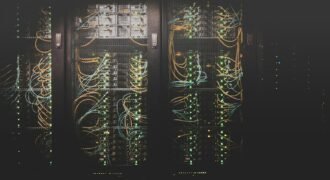
AI infrastructure is no longer a background technical detail. It is becoming a central business issue because model development and everyday inference depend on data centers, chips, networking, and reliable electricity. Recent company disclosures and market reporting have put compute commitments and data-center expansion in focus, highlighting how the AI race is tied to physical capacity as much as software.
The economics are complicated. A provider may sign long-term capacity agreements to secure future growth, but those commitments create exposure if demand, financing, or construction schedules change. Meanwhile, users want faster and more capable systems at predictable prices. Providers must balance model quality, utilization, hardware efficiency, and the cost of serving each request.
For businesses buying AI services, infrastructure risk can show up as pricing changes, usage limits, regional availability, or a shift in which models are offered. Procurement teams should ask vendors about service commitments, data location, portability, and how to plan for outages or product changes. Avoid designing a critical workflow around a single model endpoint without a fallback plan.
The energy question also matters. Data centers need power and cooling, and large projects can affect local infrastructure planning. Companies should look beyond claims about model capability and understand the service’s operational footprint and resilience. AI adoption is not only a software decision; it is also a decision about supply chains, cloud dependencies, and long-term operating costs.
Source: Reuters’ November 2 coverage of Anthropic’s compute commitments and November 4 reporting on AI infrastructure financing.
Read the source: https://www.reuters.com/business/anthropics-quarterly-loss-shrinks-revenue-jumps-ahead-blockbuster-ipo-2026-11-02/